Contents
- 1 Why Monitoring Internal Links Is Critical for SEO Performance
- 2 Inside the Link Whisper Link Report – What You’ll See
- 3 How to Use Internal Linking Metrics to Optimize SEO
- 4 Monitoring Progress with Monthly Link Reports
- 5 Make Internal Linking a Routine with Link Whisper
- 6 FAQs About Internal Linking
- 7 Why Trust LinkWhisper Internal Linking Software
Internal linking plays a foundational role in strengthening your SEO structure. But it’s not just about adding links—it’s about knowing how well they perform and where your site may be falling short.
That’s where the Link Report inside the Link Whisper plugin comes in. With visual data and performance metrics, you can monitor your internal link network, identify SEO gaps, and make informed optimization decisions.
Why Monitoring Internal Links Is Critical for SEO Performance
Every internal link distributes link equity, improves crawlability, and helps shape your site’s architecture. But without visibility into link coverage, you risk:
- Leaving pages orphaned or underlinked
- Over-optimizing anchor text
- Creating uneven link distribution
- Losing valuable SEO signals
The Link Whisper Dashboard transforms internal linking from a blind spot into an actionable SEO asset.
Inside the Link Whisper Link Report – What You’ll See
Once activated, Link Whisper scans your content and generates a detailed Internal Link Report. This visual report includes:
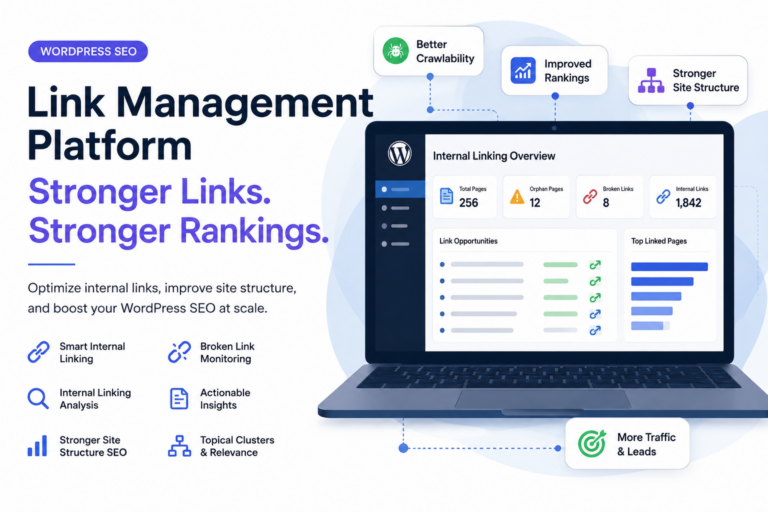
Inbound and Outbound Links by Post
You’ll see the number of incoming (internal links pointing to a page) and outgoing (links from that page) connections per post. This helps balance how authority flows throughout your site.
Orphaned Content Alerts
Link Whisper helps you find and fix orphaned pages—content that has zero inbound internal links and is often invisible to both users and search engines. These pages are flagged immediately in your internal link report, allowing you to quickly reintegrate them into your site’s link structure and recover lost SEO potential.
Link Health Metrics
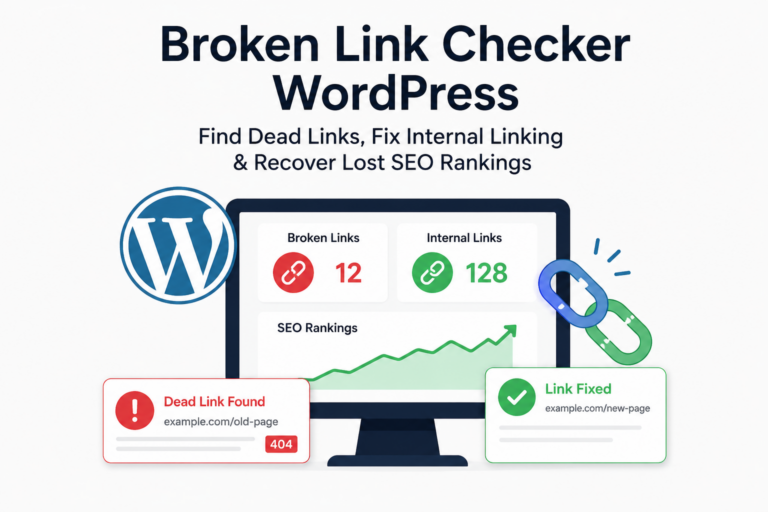
The report also monitors broken links, redirect chains, and 404 errors, so you can maintain a clean internal network that supports optimal crawl behavior.
How to Use Internal Linking Metrics to Optimize SEO
Strengthen Topical Clusters
Reviewing inbound links to key pages helps identify whether internal links from related subtopics effectively support your pillar content.
Distribute Link Equity More Effectively
Specific pages with too many outbound links and few inbound connections may leak authority. Use Link Whisper to route value toward underlinked but essential pages.
Clean Up Unused or Legacy URLs
Old links that lead to deleted or redirected pages can negatively impact crawl optimization and user experience. With Link Whisper, you can bulk-review and fix these links in minutes.
Monitoring Progress with Monthly Link Reports
Link Whisper sends automated monthly reports summarizing your internal link performance over time. These reports help:
- Track improvements in internal link coverage
- Identify any new orphaned pages
- Monitor growth in link equity distribution
- Support clients or team members with visual analytics
Whether you’re an agency managing multiple sites or a solo blogger, these SEO analytics can make a measurable difference in your results.
Make Internal Linking a Routine with Link Whisper
SEO is not a one-time job. Use Link Whisper’s built-in reporting tools to make internal linking an ongoing strategy. A well-connected site isn’t just easier to crawl—it’s easier to rank.
With just a few minutes a week, you can use real-time internal link insights to support your content strategy, increase rankings, and improve user engagement.
FAQs About Internal Linking
1. What is internal hyperlinking, and how does it help SEO?
Internal hyperlinking refers to linking one page of your website to another. It helps distribute PageRank, enhances crawlability, and strengthens topical relevance—necessary SEO signals recognized by search engines like Google.
2. How many internal links should a page have?
While there’s no exact number, a good rule is to naturally include internal links where contextually appropriate, typically between 3 and 10 per post. Too many can dilute SEO impact or harm user experience.
3. What is the difference between internal and external linking?
Internal links connect pages within the same domain, while external links point to other domains. Internal links help structure your site and retain SEO value, while external links provide credibility and support for referencing.
4. Can internal linking improve my site’s crawl budget?
Yes. A strong internal link structure ensures that search engine bots discover and revisit important pages efficiently, optimizing how your crawl budget is spent.
5. How do I find orphaned pages that have no internal links?
Use SEO tools like Link Whisper, Screaming Frog, or Ahrefs to detect orphaned URLs. These are pages without inbound internal links, and crawlers often ignore them.
6. What is anchor text, and why is it essential for internal links?
Anchor text is the clickable word or phrase used in a hyperlink. Optimizing it semantically improves relevance signals to Google and user clarity, especially when done with contextual accuracy.
7. Should internal links open in a new tab?
Generally, internal links should open in the same tab to maintain flow and user experience. Use new tabs for external links to keep users on your site longer.
8. How can AI improve internal linking strategies?
AI-powered plugins like Link Whisper analyze content context, suggest relevant internal links, and automate the process, saving time and improving consistency across your site.
9. Is there a risk of overusing internal links?
Yes. Overlinking or repeatedly using the exact anchor text can appear manipulative to search engines. It’s best to maintain relevance, diversity, and a natural flow.
10. Can internal linking increase page authority?
Absolutely. Internal links help distribute link equity to key pages, boosting their visibility in SERPs. Better-linked pages tend to rank higher and get crawled more frequently.
Why Trust LinkWhisper Internal Linking Software
LinkWhisper is a trusted name in on-page SEO, offering one of WordPress’s most advanced and user-friendly internal linking software solutions. Since its inception in 2017, LinkWhisper has empowered over 40,000 website owners, bloggers, agencies, and SEO professionals to control their internal link structure with precision, speed, and confidence.
Engineered for technical SEO optimization, LinkWhisper helps users build smarter internal links by providing:
- Real-time internal link suggestions based on content relevance and semantic signals
- AI-powered anchor text optimization to ensure natural, SEO-friendly phrasing
- Automated internal linking rules that apply site-wide or on a per-post basis
- Comprehensive link health reporting to detect orphaned pages, broken links, and 404 errors
- Multi-site internal linking intelligence for users managing multiple domains
- Full compatibility with Gutenberg, Elementor, WooCommerce, Thrive Architect, Classic Editor, and more
Unlike bloated SEO tools, LinkWhisper focuses solely on internal links—delivering laser-sharp functionality that improves crawlability, enhances site architecture, boosts PageRank flow, and increases organic search visibility.
With its intuitive dashboard, one-click automation, and AI-backed logic, LinkWhisper Internal Linking Software is the go-to plugin for anyone serious about elevating their WordPress SEO strategy.
📍 Website: https://linkwhisper.com
🔧 Main Service: Internal Linking Optimization Plugin for WordPress
🌍 Used in: 134+ Countries | 40,000+ Sites
💡 Core Focus: Smart Link Building | SEO Automation | Anchor Text Optimization | Site Structure SEO
Check if your site has the same issues.
Run a free audit right now. See your orphaned pages, broken links, and link health score in 60 seconds.
Check My Site