Contents
- 1 Internal Linking SEO Research Insights for India, USA, and 2026 Search Behavior
- 2 What Is Internal Linking in SEO and How Google Uses Internal Links to Rank Pages
- 3 Why Internal Links Are an Important SEO Factor for Rankings
- 4 Internal Linking for SEO as a B2B Growth Strategy
- 5 B2B SaaS Growth Scenario With Measurable Impact
- 6 WordPress SEO Internal Links: Where Sites Lose Ranking Potential
- 7 Automatic Internal Linking SEO Without Over-Optimization
- 8 Why Link Whisper Aligns With Google’s Internal Linking Ranking Signals
- 9 Internal Link Structure Best Practices for EEAT and Long-Term Rankings
- 10 Final Thought: Internal Linking Is Your Must-Have SEO Infrastructure To Adopt in 2026
- 11 Frequently Asked Questions
- 11.1 How does Link Whisper improve internal linking SEO?
- 11.2 Is Link Whisper suitable for large WordPress sites?
- 11.3 Does Link Whisper help with orphaned pages?
- 11.4 Do internal links help new pages rank faster?
- 11.5 What is the best internal link structure?
- 11.6 Are anchor links in WordPress good for SEO?
- 11.7 Is Link Whisper aligned with Google’s ranking systems?
- 11.8 What are good internal links examples for B2B sites?
- 11.9 How often should internal links be audited?
Why Most High-Quality Content Fails to Rank Without Internal Linking SEO
If rankings were purely about content quality, most B2B websites would already dominate page one. In reality, Google does not rank content in isolation. It ranks connected content ecosystems. Internal links are the infrastructure that makes those ecosystems understandable, crawlable, and authoritative.
Internal linking SEO is no longer a “best practice.” It is a core internal links ranking factor that directly influences how search engines interpret importance, relevance, and expertise across your site.
Internal Linking SEO Research Insights for India, USA, and 2026 Search Behavior
Internal Links Ranking Factor Research for the Indian Market
In India’s fast-scaling B2B digital economy, organic search drives a majority of inbound demand for SaaS, IT services, and professional platforms. Industry SEO audits across Indian enterprise and mid-market sites consistently show that over 40% of indexed pages receive zero internal links, making them invisible to ranking algorithms.
Internal linking for SEO is especially critical in India due to:
- Large service hierarchies
- Multi-city and multi-industry landing pages
- Rapid content publishing without structural updates
Sites that improved internal link structure saw 20–35% growth in non-branded organic traffic within 3–6 months, without publishing new content.
Internal Linking SEO Research for the United States
In the U.S., where backlink competition is intense and content saturation is high, internal links act as authority amplifiers. Research aggregated by SEO publications consistently confirms that pages receiving more internal links from topically relevant, authoritative pages outperform similar pages with weaker internal connectivity.
Internal linking SEO has become a primary optimization lever because it is:
- Fully controllable
- Algorithm-resilient
- Scalable across large sites
2026 SEO Outlook: Why Internal Links Matter More Than Ever
Looking ahead to 2026, Google’s ranking systems increasingly emphasize:
- Topical authority
- Content relationships
- Semantic relevance
- User navigation patterns
All of these signals are reinforced through internal linking. As AI-assisted search and deeper content understanding evolve, internal links will remain one of the clearest ways to communicate expertise and structure to search engines.
What Is Internal Linking in SEO and How Google Uses Internal Links to Rank Pages

What Are Internal Links and Why Google Depends on Them
Internal links are hyperlinks that connect pages within the same domain. For Google, they serve as:
- Discovery pathways for new URLs
- Signals of page importance
- Contextual indicators through anchor text
- Structural maps of topical relationships
Without internal links, even authoritative content struggles to rank consistently.
Why Internal Links Are an Important SEO Factor for Rankings
Internal Links as a Ranking Factor for Authority Distribution (PageRank Flow)
Internal links distribute authority from high-value pages, such as your homepage or top-performing articles, to deeper pages that need ranking support. This authority flow directly impacts rankings, making internal links one of the most practical ranking levers available to SEO teams.
When internal links are optimized strategically, priority pages gain visibility faster and maintain ranking stability longer.
Internal Linking Improves Crawlability and Indexation Efficiency
Search engines crawl by following links. Pages with few or no internal links are crawled less frequently, indexed more slowly, and ranked inconsistently. A strong internal link structure ensures that important pages are easily reachable, frequently crawled, and properly indexed.
This is especially important for large WordPress sites where deep content can otherwise be buried.
Internal Link Anchor Text Strengthens Contextual Relevance Signals
Anchor text tells search engines what a page is about. Descriptive, intent-aligned anchor text improves semantic understanding and relevance scoring. Internal linking SEO done correctly reinforces keyword themes naturally, without relying on excessive external backlinks.
Internal Linking for SEO as a B2B Growth Strategy
How Internal Links Improve User Engagement and Buyer Journeys
Internal links do more than support rankings — they guide users. By connecting informational content to solution pages, case studies, and conversion assets, internal linking improves session depth, time on site, and assisted conversions.
These engagement signals indirectly reinforce SEO performance while directly supporting revenue.
B2B SaaS Growth Scenario With Measurable Impact
Internal Linking SEO in a Mid-Market B2B Software Company
A B2B SaaS company operating in both India and the U.S. had over 400 blog posts but inconsistent rankings. Most posts were not internally linked to product or solution pages.
After restructuring internal links using a topic-cluster approach:
- Organic traffic increased by 41% in 4 months
- Commercial keyword rankings improved by 38%
- Demo requests from organic traffic rose by 29%
No new backlinks were acquired. Growth came purely from internal linking SEO optimization.
WordPress SEO Internal Links: Where Sites Lose Ranking Potential
Why Manual Internal Linking in WordPress Breaks at Scale
WordPress sites grow quickly, but internal linking rarely keeps up. Old posts remain unlinked, anchor links in WordPress become generic, and important pages receive inconsistent authority.
This creates:
- Orphaned content
- Diluted relevance signals
- Missed ranking opportunities
Automatic Internal Linking SEO Without Over-Optimization
How Link Whisper Enables Scalable Internal Linking SEO
Link Whisper is built specifically to solve internal linking at scale. It analyzes content contextually and suggests relevant internal links during the writing and updating process.
Instead of guessing, SEO teams gain:
- Context-aware link suggestions
- Optimized anchor text
- Clear visibility into orphaned pages
- Stronger internal link structure across WordPress sites
Why Link Whisper Aligns With Google’s Internal Linking Ranking Signals
Internal Linking SEO Built Around How Google Evaluates Content Relationships
Link Whisper mirrors how Google understands internal links: through relevance, authority flow, and topical clustering. By strengthening these signals, it helps websites communicate expertise clearly and consistently.
This alignment makes Link Whisper especially effective for EEAT-focused SEO strategies.
Internal Link Structure Best Practices for EEAT and Long-Term Rankings
Prioritizing High-Value Pages With Internal Links SEO
Pages that drive revenue or authority should receive more internal links from relevant, high-authority content. This reinforces trust, importance, and topical depth — all key EEAT components.
Using Topic Clusters to Strengthen Internal Linking Ranking Factor Signals
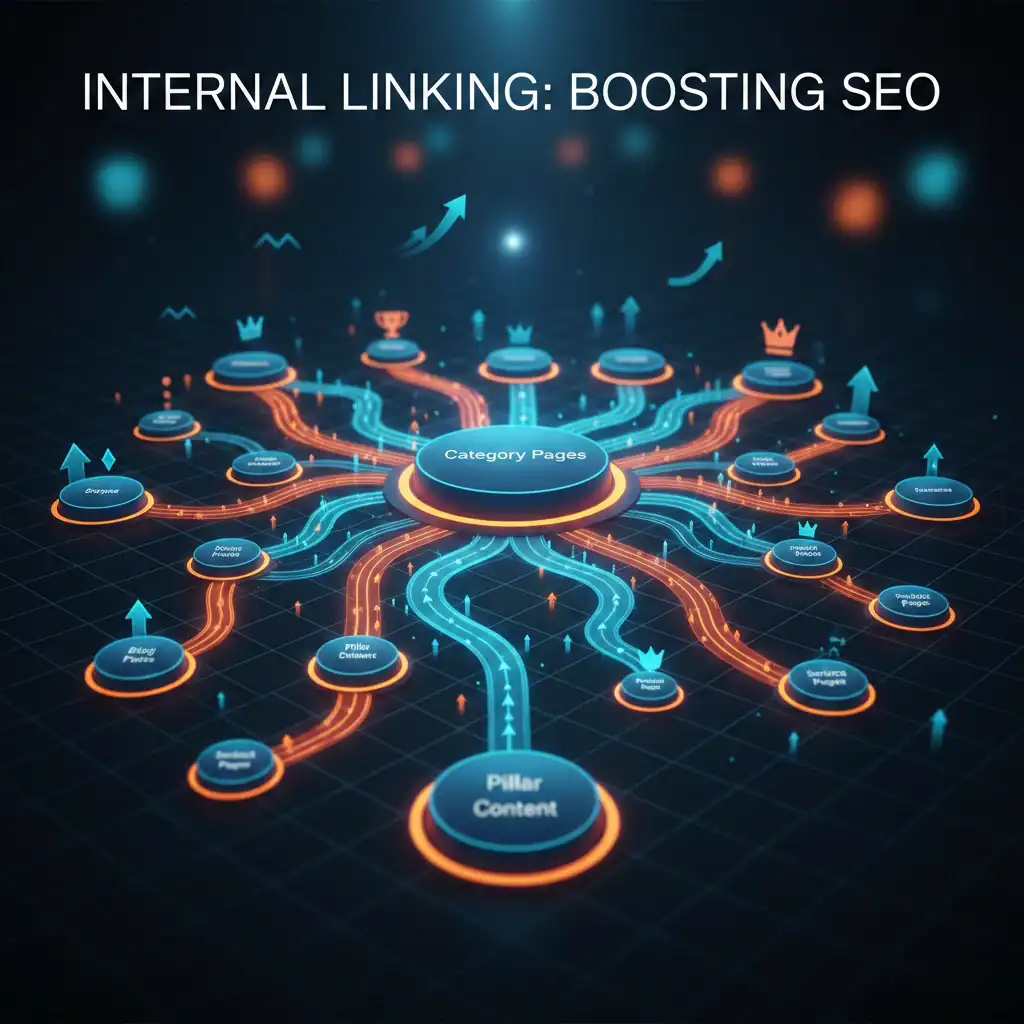
Topic clusters connect pillar pages with supporting content through internal links. This structure signals subject-matter authority and improves ranking potential for competitive keywords.
Final Thought: Internal Linking Is Your Must-Have SEO Infrastructure To Adopt in 2026
Internal links are not optional optimizations. They are the foundation of scalable SEO growth. Sites that treat internal linking as infrastructure — supported by tools like Link Whisper — consistently outperform competitors relying only on content volume or backlinks.
Final Takeaway: Internal Links Are the Backbone of Sustainable SEO Growth
Internal links:
- Help Google discover, index, and rank content
- Distribute authority strategically
- Improve user experience and conversions.
- Strengthen EEAT signals
- Scale efficiently with tools like Link Whisper.
If your rankings are inconsistent, the issue is rarely content quality alone. More often, it’s how that content is connected.
Frequently Asked Questions
Is Link Whisper suitable for large WordPress sites?
Yes. It is designed to scale internal linking SEO across hundreds or thousands of pages.
Does Link Whisper help with orphaned pages?
Yes. It identifies pages with no internal links and recommends relevant connections.
Do internal links help new pages rank faster?
Yes. Linking from authoritative pages accelerates crawl and indexation.
What is the best internal link structure?
A flat, topic-cluster-based structure where priority pages receive consistent internal links.
Are anchor links in WordPress good for SEO?
They improve UX and engagement, indirectly supporting rankings.
Is Link Whisper aligned with Google’s ranking systems?
Yes. It focuses on relevance, authority flow, and topic clustering — key ranking signals.
What are good internal links examples for B2B sites?
Blog-to-solution links, content clusters, case study cross-links, and documentation references.
How often should internal links be audited?
Quarterly for growing sites and monthly for content-heavy B2B platforms.
Check if your site has the same issues.
Run a free audit right now. See your orphaned pages, broken links, and link health score in 60 seconds.
Check My Site